
The Best Icefields Parkway Stops You Really Should Not Drive Past

Canmore Travel • November 16, 2026

Share this article

 Reviewed by Lenka Smidova, Founder, Canmore Travel

The Icefields Parkway runs 227 kilometres from Lake Louise to Jasper, and you could stop every few minutes if you tried. You should not. Seven stops earn the pull-off: Bow Lake, Peyto Lake, Mistaya Canyon, the Columbia Icefield, Sunwapta Falls, Athabasca Falls, and the Jasper viewpoints at the north end. Non-stop the drive takes about 3.5 hours; done properly, with these stops, plan a full 8 to 10 hours.

The stops at a glance

  1. Bow Lake , about 36 km from Lake Louise: 20 to 30 minutes
  2. Peyto Lake , about 40 km: 45 minutes
  3. Mistaya Canyon , about 73 km: 20 to 30 minutes
  4. Saskatchewan River Crossing (fuel and food), about 94 km: as needed
  5. Columbia Icefield , about 125 km: 1 to 2 hours
  6. Sunwapta Falls , about 175 km: 30 to 45 minutes
  7. Athabasca Falls , about 190 km: 30 to 45 minutes

1. Bow Lake

About 36 km north of Lake Louise, Bow Lake sits right below Crowfoot Glacier and feeds the Bow River. A short walk from the south-shore parking area lines up the glacier, the lake, and the historic Num-Ti-Jah Lodge in one view. Come early: the water is at its glassiest before the valley haze builds.

2. Peyto Lake

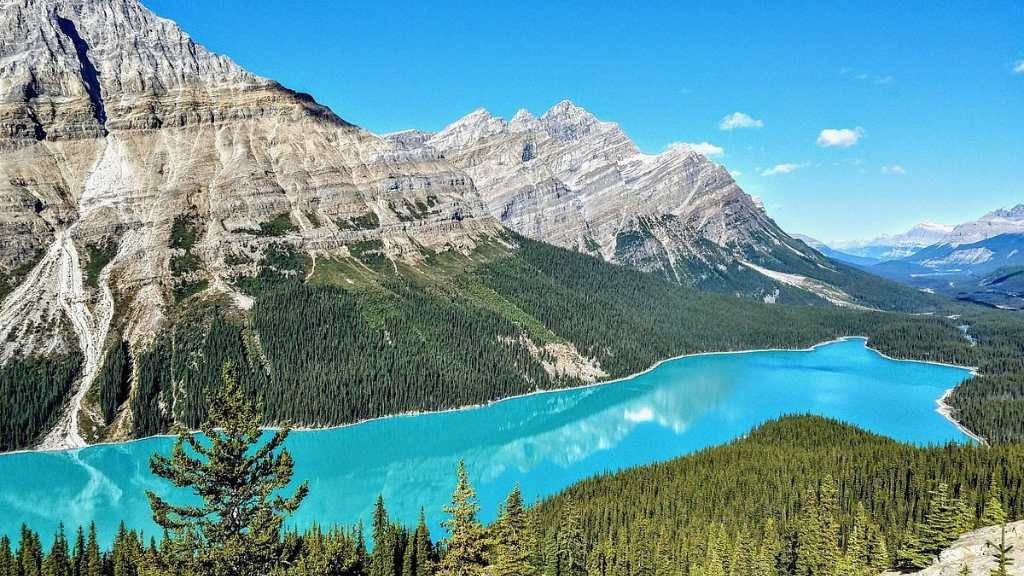
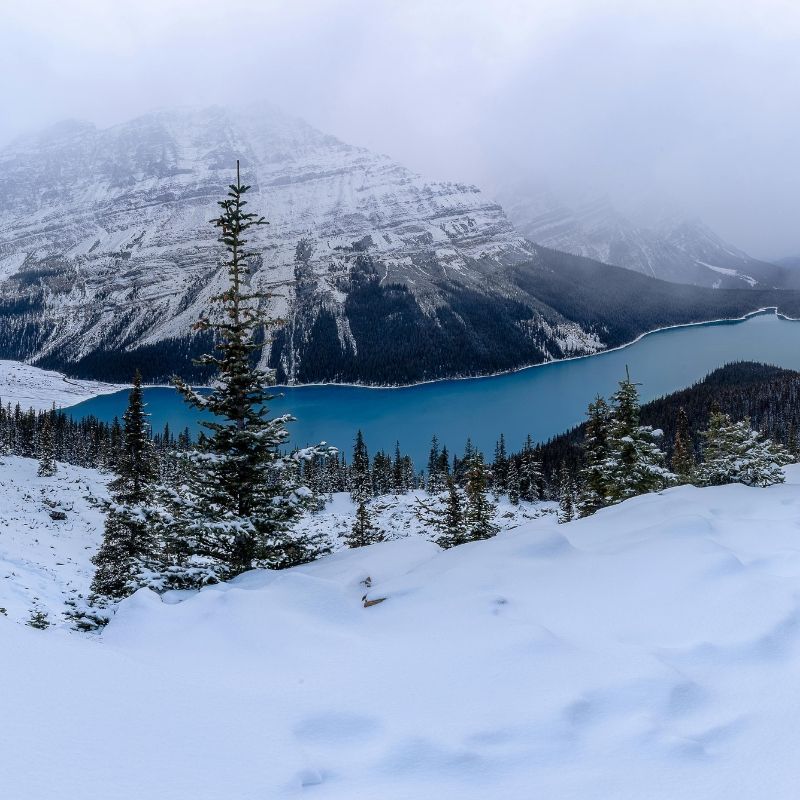
Four kilometres on, a 600-metre uphill path from the Bow Summit parking area opens onto Peyto Lake, the most photographed lake on the parkway. The wolf-head shape and the electric turquoise both come from glacial rock flour suspended in the meltwater. This is the one stop nobody regrets. Arrive before 9 a.m. in summer to have the platform to yourself.

3. Mistaya Canyon

The stop most people skip, and the one worth catching them off guard with. A 500-metre walk through forest ends at a narrow limestone slot the Mistaya River has drilled with potholes over thousands of years. It is intimate rather than grand, and it takes 20 to 30 minutes round trip.

4. Saskatchewan River Crossing

Not a scenic stop so much as a necessary one. The Crossing is the only fuel, food, and lodging between Lake Louise and the Columbia Icefield. Fill the tank here no matter what the gauge says. The next services are 55 km north.

5. Columbia Icefield

At roughly the halfway point, the Athabasca Glacier flows down to within about a kilometre of the road. It is the most accessible glacier on the parkway and one of the easiest places in the Rockies to stand near moving ice. The Discovery Centre across the highway explains the glacial science and the retreat you are looking at.

6. Sunwapta Falls

North of the icefield, the Sunwapta River bends hard and drops through a limestone slot into a pool below. A short trail reaches the upper viewpoint; a one-kilometre walk gets you to the quieter lower falls. Thirty to 45 minutes covers both.

7. Athabasca Falls

Not tall, but the most powerful waterfall in the Rockies by volume. The full Athabasca River squeezes through a quartzite canyon here, and the force has carved the walls smooth. Paved viewpoints give several angles, and the spray carries in high water.

How long does the Icefields Parkway take?

Non-stop, Lake Louise to Jasper is about 3.5 hours. That is not how anyone should do it. With the stops above, plan a full 8 to 10 hours. If you only have half a day, prioritise Peyto Lake, the Columbia Icefield, and Athabasca Falls, and turn back the way you came rather than pushing all the way to Jasper. One thing worth knowing before you go: the parkway crosses two national parks, so you need both a Banff and a Jasper park pass if you drive the full route.

Elk, bighorn sheep, and the occasional bear all use the valley the parkway runs through, so keep your speed down at any roadside crowd and stay in the vehicle if bears are out.

Let someone else drive

The parkway is a long day of mountain driving, and the best light at Peyto Lake and the Columbia Icefield lands before most self-drivers have finished breakfast. Canmore Travel runs private guided tours along the parkway from Canmore, so someone who knows the road handles the driving, the parking, and the timing while you spend the day looking out the window instead of at the map.

Frequently asked questions

How long does it take to drive the Icefields Parkway?

About 3.5 hours non-stop from Lake Louise to Jasper, but plan a full 8 to 10 hours if you want to actually stop at Peyto Lake, the Columbia Icefield, and the waterfalls along the way.

What are the must-see stops on the Icefields Parkway?

Peyto Lake and the Columbia Icefield are the two that define the drive. Add Athabasca Falls for its sheer force and Mistaya Canyon as the underrated one most people miss.

Recent Posts

By Canmore Travel • November 16, 2026
What the Icefields Parkway drive is actually like heading north from Lake Louise: the lakes, the glacier, the timing, and how far you get in a day.
By Canmore Travel • November 16, 2026
How to walk the Lake Minnewanka lakeshore and Stewart Canyon trails in Banff: the trailhead, distances, what you'll see, and the best time to go.
White shuttle van parked on a mountain road with pine trees and rocky peaks in the background
By Canmore Travel • August 17, 2026
Nestled in the heart of the Canadian Rockies,Lake Louise and Moraine Lake stand as two of the most breathtaking natural wonders in Alberta, Canada.
Snowy Lake Louise with mountains, blue sky, ice sculptures, and a bench in the foreground.
By Canmore Travel • December 1, 2025
Imagine a pristine winter wonderland where snow-covered peaks frame a frozen lake the color of pale turquoise glass, horse-drawn sleighs clip-clop along snowy trails,
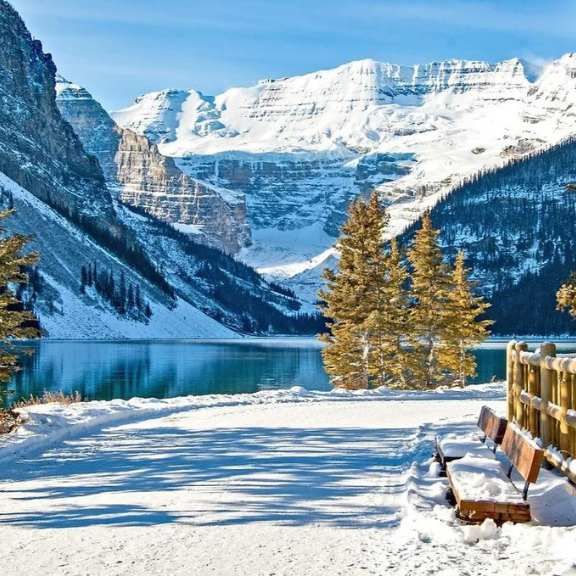
Snowy mountain lake with blue water, snowy peaks, and pine trees under a bright winter sky
By Canmore Travel • November 24, 2025
Winter in Banff has a special kind of magic. The air is still, the snow sparkles under the moonlight, and the night sky stretches infinitely
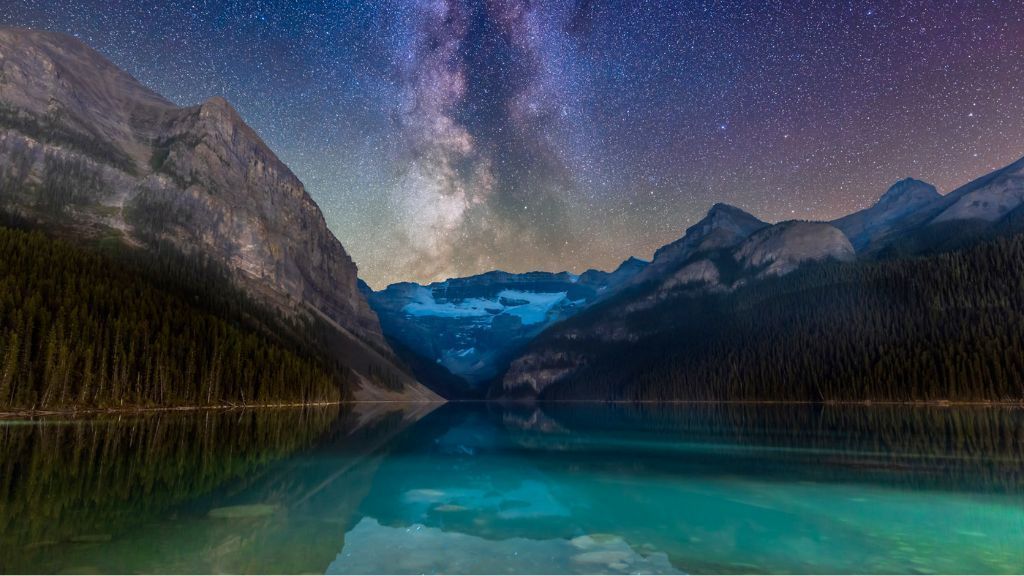
Starry night sky over a mountain lake with mirrored peaks and a glowing Milky Way
By Canmore Travel • November 9, 2025
Discover the best places for stargazing in Banff. Learn where to see the Milky Way, find dark sky preserves, and join guided night sky tours in the Canadian Rockies.
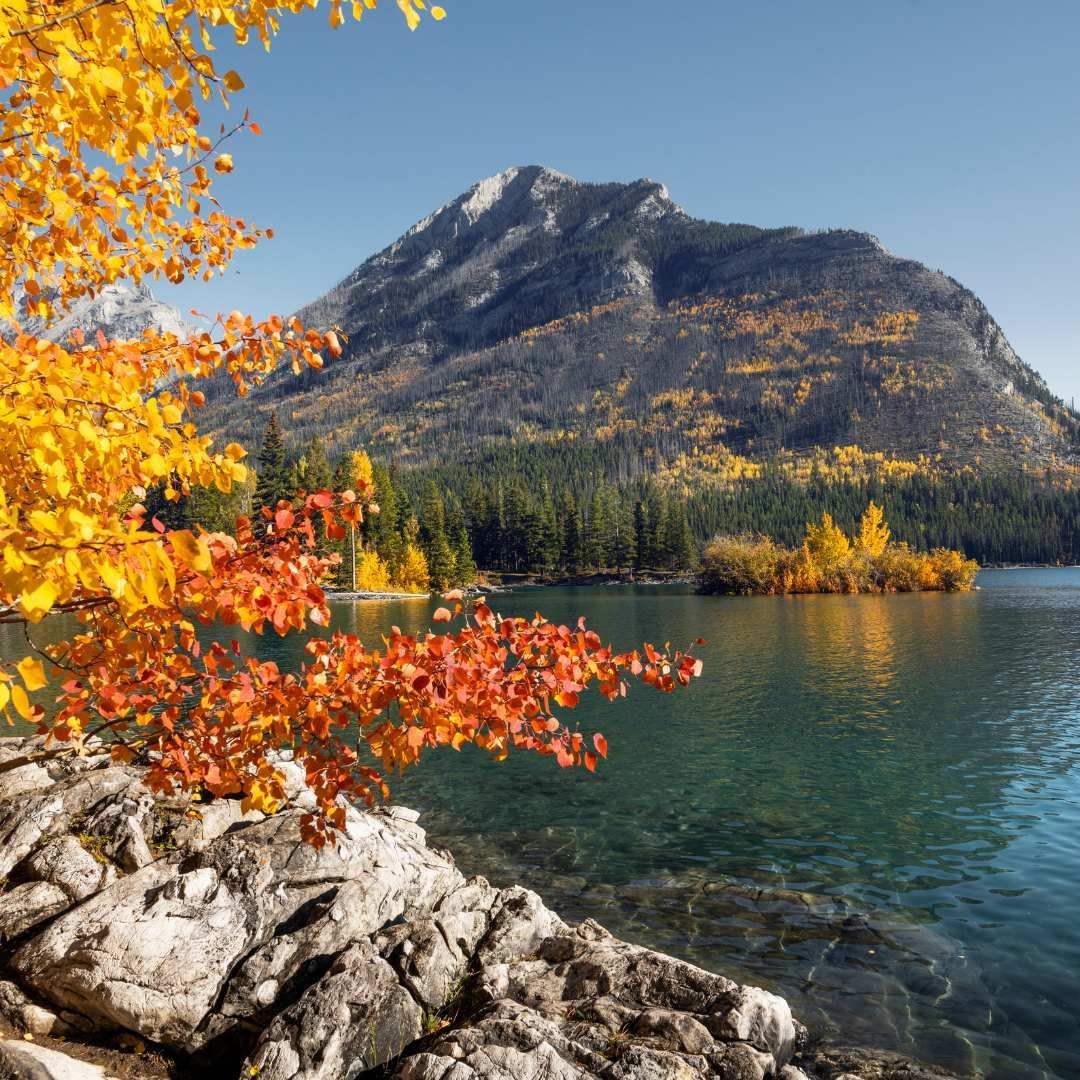
Autumn leaves beside a clear blue lake with a rocky mountain under a bright sky
By Canmore Travel • October 21, 2025
A Short Window of Magic There's a short, golden window in the Canadian Rockies that photographers, hikers, and dreamers all chase — Larch Season.
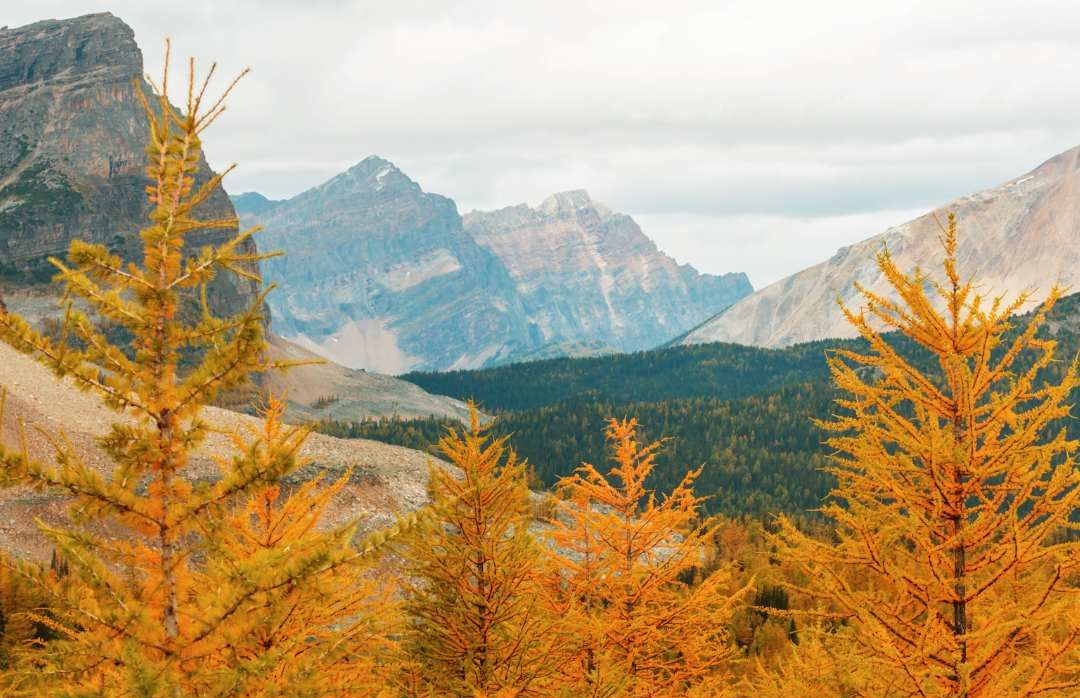
Autumn trees with golden leaves in front of rugged mountains under a cloudy sky
By Canmore Travel • October 7, 2025
The Road That Changed Everything Every year, thousands of visitors plan to drive to Moraine Lake — until they discover that private vehicles are no longer
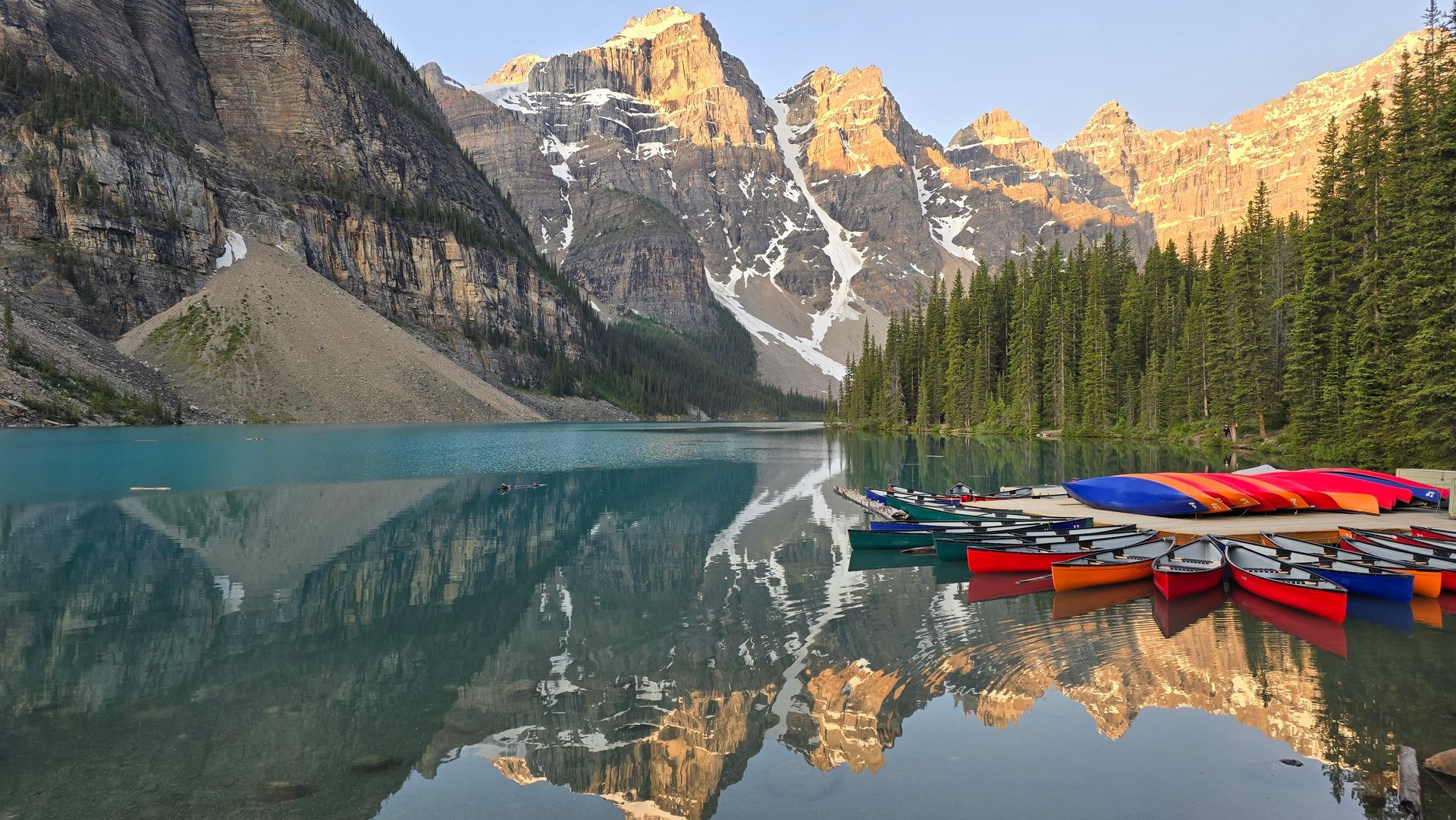
Colorful kayaks lined up on a mountain lake with mirrored peaks and pine forest at sunrise
By Canmore Travel • September 15, 2025
Why Moraine Lake Is a Must-See When people think of the Canadian Rockies, Moraine Lake is often the first image that comes to mind. Its
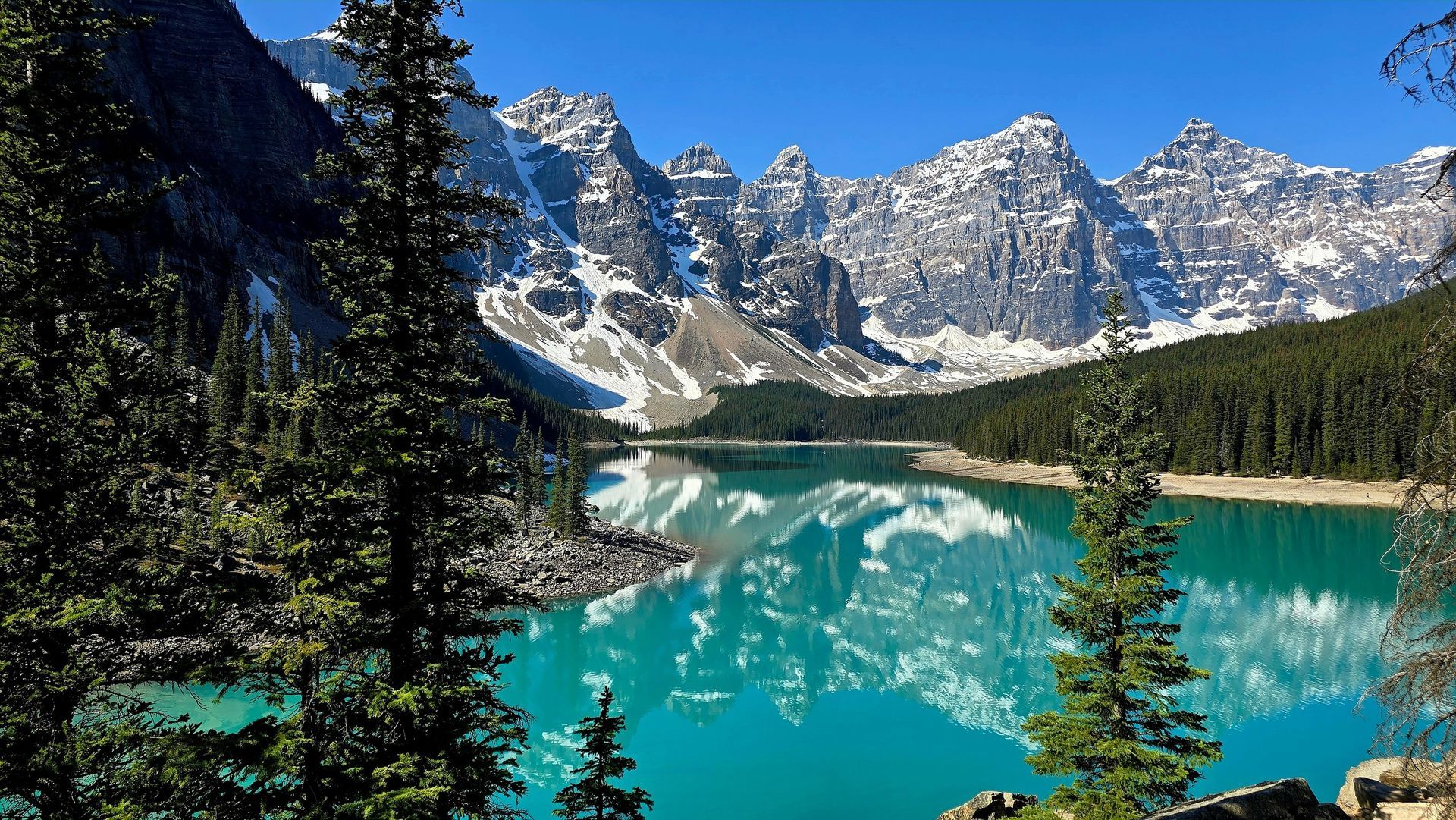
Turquoise mountain lake with pine trees and snow-capped peaks under a clear blue sky
By Canmore Travel • September 1, 2025
The Problem: Getting to Moraine Lake Isn't Easy Moraine Lake is one of the most breathtaking places in Canada. Its turquoise waters, surrounded by the
Show More